
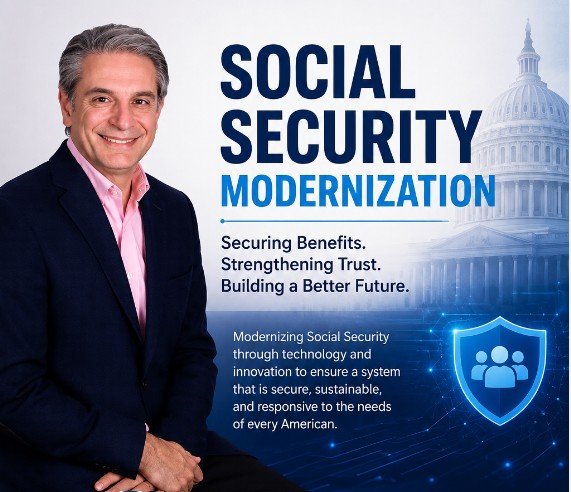
Social Security Modernization
Social Security remains one of the most important programs supporting millions of Americans. Modernization focuses on improving efficiency, enhancing accessibility, strengthening long-term sustainability, and ensuring future generations can continue to rely on a secure and responsive retirement system.
What Is Social Security Modernization?
Social Security Modernization focuses on strengthening one of America's most important public programs by improving efficiency, enhancing accessibility, modernizing service delivery, and ensuring long-term sustainability.
As technology, demographics, and economic conditions evolve, public systems must adapt to meet the needs of future generations while maintaining trust and reliability.
Accessibility
Improve access through modern digital services and user-friendly experiences.
Efficiency
Reduce delays and improve operational performance across services.
Sustainability
Strengthen long-term effectiveness while adapting to demographic changes.
Security
Protect sensitive information and strengthen public confidence.
Why Social Security Modernization Matters
Millions of Americans rely on Social Security for retirement, disability, and survivor benefits. As expectations evolve and demand grows, modernization is essential to ensure the system remains efficient, accessible, and sustainable for future generations.
Growing Demand
Demographic shifts and increasing beneficiary populations require systems capable of serving more people efficiently.
Modern Service Expectations
Citizens expect fast, secure, and convenient digital experiences similar to those offered in the private sector.
Operational Efficiency
Streamlined processes help reduce delays, improve responsiveness, and optimize the use of public resources.
Long-Term Sustainability
Modern systems help support effective planning, program integrity, and long-term service delivery.
Modernization Is About Strengthening Service, Not Changing the Mission
The goal of modernization is to improve how Social Security serves beneficiaries by enhancing accessibility, efficiency, security, and responsiveness while preserving the program's core purpose.
Building a Stronger Social Security System
Modernizing Social Security requires a balanced strategy that improves service delivery, strengthens security, increases accessibility, and ensures long-term sustainability for future generations.
Social Security Modernization
Security & Trust
Protect beneficiary data and strengthen cybersecurity.
Digital Services
Expand secure online tools and self-service options.
Sustainability
Support long-term program effectiveness and planning.
Faster Processing
Reduce delays and improve service responsiveness.
Accessibility
Ensure services remain simple and inclusive.
Building a Stronger Retirement System for Future Generations
Social Security has served as a cornerstone of retirement security for decades. Modernization provides an opportunity to strengthen service delivery, improve operational efficiency, and ensure the system remains responsive to changing demographic and economic realities.
By embracing innovation, improving accessibility, and enhancing security, policymakers can help create a more resilient system that continues to support millions of Americans while maintaining public confidence and trust.
Modernization is not about changing Social Security's purpose. It is about ensuring the system continues to serve Americans effectively in a rapidly changing world.
Delivering Better Outcomes for Citizens
Modernization is about creating measurable improvements in service delivery, accessibility, efficiency, and security. These initiatives help ensure Social Security remains responsive to the needs of current and future beneficiaries.
Digital Access
Expand online services that allow beneficiaries to access information and manage accounts anytime.
Faster Service
Reduce administrative delays through streamlined processes and modern technologies.
Fraud Prevention
Strengthen verification systems and security controls to protect beneficiaries.
Improved Experience
Create more intuitive, accessible, and user-friendly interactions across services.
Modernization creates a more efficient, secure, and accessible Social Security system while preserving the program's mission and public trust.
The Future of Social Security
As technology, demographics, and workforce trends continue to evolve, Social Security must remain adaptable and responsive. Modernization provides an opportunity to strengthen service delivery, improve accessibility, and create a more efficient experience for beneficiaries while preserving the program's foundational mission.
The future of Social Security will depend on balancing innovation with security, accessibility, and long-term sustainability. By embracing responsible modernization strategies, policymakers can help ensure the program continues to serve future generations with confidence and trust.
A modern Social Security system should be accessible, secure, efficient, and prepared to meet the needs of future generations.
Digital Accessibility
Expand secure digital services while maintaining support for all users.
Stronger Security
Protect beneficiary information through modern cybersecurity practices.
Efficient Service Delivery
Improve responsiveness and reduce administrative complexity.
Long-Term Confidence
Support a retirement system that remains reliable for future generations.
Common Questions About Social Security Modernization
Social Security modernization raises important questions about service delivery, accessibility, security, and the future of retirement benefits.
Social Security Modernization refers to efforts aimed at improving service delivery, accessibility, security, operational efficiency, and long-term sustainability while maintaining the program's core mission.
Modernization helps ensure Social Security can effectively serve future generations by improving technology, streamlining operations, and enhancing citizen experiences.
Modernization focuses on improving how services are delivered and managed. It is designed to strengthen operations and accessibility rather than change the fundamental purpose of the program.
Technology can improve online access, reduce processing times, strengthen security measures, and create more convenient experiences for beneficiaries.
Cybersecurity is a critical component of modernization, helping protect personal information, prevent fraud, and maintain public trust in digital services.
Explore Related Policy Priorities
Social Security Modernization intersects with government innovation, technology adoption, and public sector transformation. Explore related policy priorities to learn how modern solutions can strengthen public institutions and improve outcomes for citizens.
Government Modernization
Discover strategies for creating a more efficient, responsive, and technology-enabled public sector.
Learn More →AI in Government
Learn how artificial intelligence can improve public services, decision-making, and operational efficiency.
Learn More →AI Governance
Explore frameworks that help ensure AI systems remain transparent, accountable, and aligned with the public interest.
Learn More →AI Policy
Understand how thoughtful AI policies can balance innovation, transparency, privacy, and public trust.
Learn More →